

Magie Lecture – Divining Scriptures: Homer, the Gospels, and Divination
Laura Nasrallah '91, Yale University
Wed, 3/25 · 4:30 pm—6:00 pm · 010 East Pyne
Program in the Ancient World


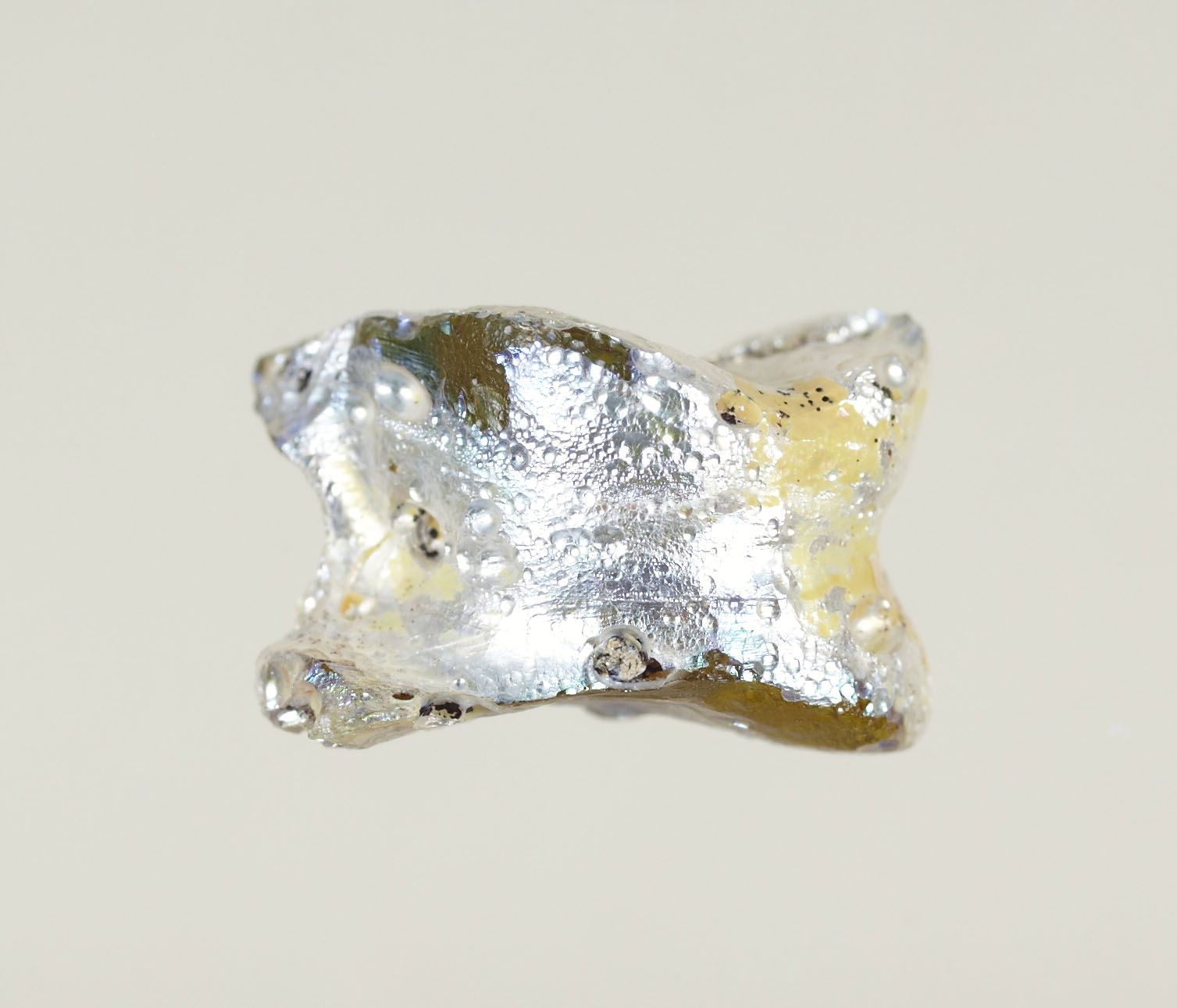
Divinatory machines are found in stone, papyrus, parchment, and bone in the ancient Mediterranean. Many balanced randomness—a dice throw—with personal messages from the gods, sometimes offered through a line of Homer or the Bible. These devices allowed for an epistemic stretch from and to the divine. By beginning with these devices, rather than with philosophical-theological texts, we can tell a story of how the less than elite (as well as elite) wrestled with theodicy and epistemology. A focus on these devices broadens our understanding of the production and uses of scriptures, whether Homeric texts or the Bible, and shows that sophisticated mechanisms of meaning-making, including abstraction and allegory, were materially instantiated and used in ritual practice. These also allow us to pause and to think about how and why to write history.
Laura Nasrallah is Buckingham Professor of New Testament Criticism and Interpretation at Yale University (jointly appointed in Religious Studies and Divinity). Her research and teaching bring together New Testament and early Christian literature with the archaeological remains of the Mediterranean world, and often engage issues of colonialism, gender, race, status, and power. She is author of Ancient Christians and the Power of Curses: Magic, Aesthetics, and Justice (Cambridge University Press, 2024); Archaeology and the Letters of Paul (Oxford University Press, 2019); Christian Responses to Roman Art and Architecture: The Second-Century Church Amid the Spaces of Empire (Cambridge University Press, 2010); and An Ecstasy of Folly: Prophecy and Authority in Early Christianity (Harvard Theological Studies, 2004). She is co-editor, with Elisabeth Schüssler Fiorenza, of Prejudice and Christian Beginnings: Investigating Race, Gender, and Ethnicity in Early Christian Studies (Fortress Press, 2009); with Charalambos Bakirtzis and Steven J. Friesen, of From Roman to Early Christian Thessalonikē: Studies in Religion and Archaeology (Harvard University Press, 2010), and, with AnneMarie Luijendijk and Charalambos Bakirtzis, of From Roman to Early Christian Cyprus: Studies in Religion and Archaeology (Mohr Siebeck, 2020). In 2014, she conducted the online course module Early Christianity: The Letters of Paul, offered through HarvardX/edX. Longer term projects include a commentary on 1 Corinthians for the Hermeneia series; a short book titled The Letters of Paul: A Love/Hate Story; and projects on divination and scripture, ritual at Corinth’s Fountain of the Lamps, and envy and its consequences.
Reception to follow.
image: Hellenistic to Roman Imperial Period (ca. 30 BCE–476 CE), Turkey, 2nd century BCE–1st century CE, Astragalos. Transparent glass, light green; 1.4 x 0.9 x 0.9 cm. Gift of the Committee for the Excavation of Antioch to Princeton University (2002-13)